Materials & Techniques

Two connected decisions.

Choose the right base material first, then match decoration and finishing based on the jacket structure, artwork and target effect.

01

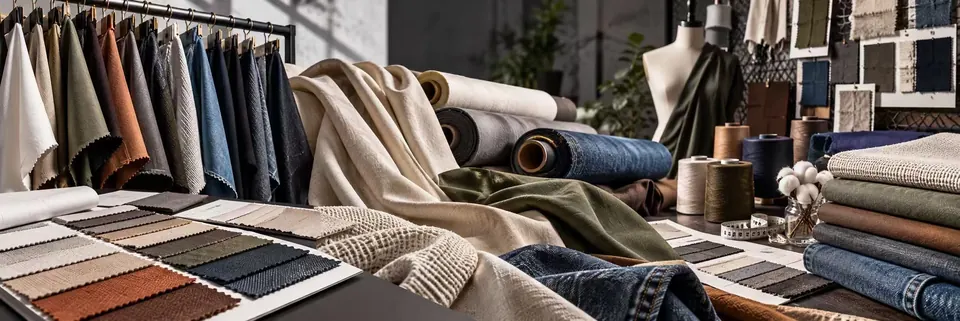
Materials Selected for the Jacket

Fabric selection starts with the desired garment, not a generic swatch list. We consider weight, surface texture, drape, warmth, durability and compatibility with the chosen decoration method before confirming the material direction.

  • Nylon / Polyester
  • Denim
  • Wool
  • Leather / PU
  • Fleece
Materials Selected for the Jacket
02

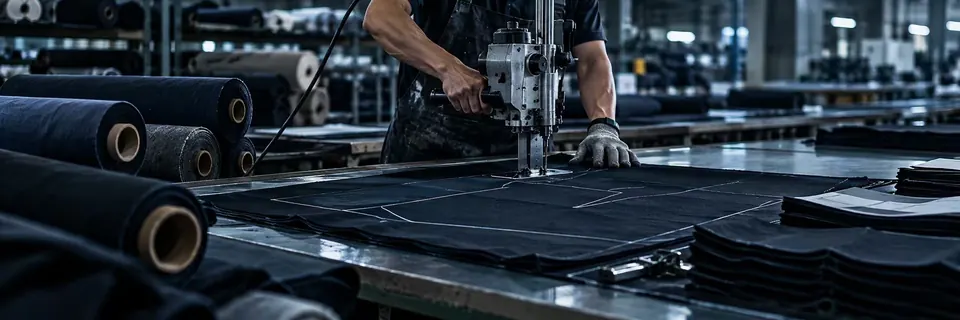
Lining, Ribbing & Interlining

Supporting materials determine comfort and structure. Lining affects wearing feel, ribbing controls openings, and interlining supports selected areas such as collars or front panels. Their compatibility is reviewed with the shell fabric.

  • Lining
  • Rib
  • Interlining
Lining, Ribbing & Interlining
03

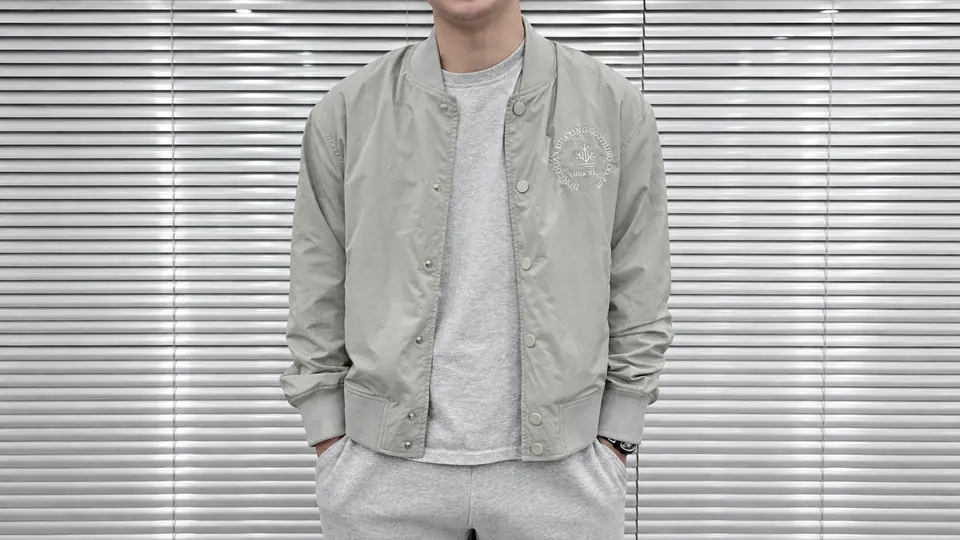
Embroidery, Patches & Printing

Decoration methods are selected by fabric surface, artwork size and intended texture. Embroidery adds stitched relief, patches create layered identity, and printing supports broader graphic effects; each option has placement and material constraints.

  • Embroidery
  • Chenille / Patches
  • Screen / Transfer Print
Embroidery, Patches & Printing
04

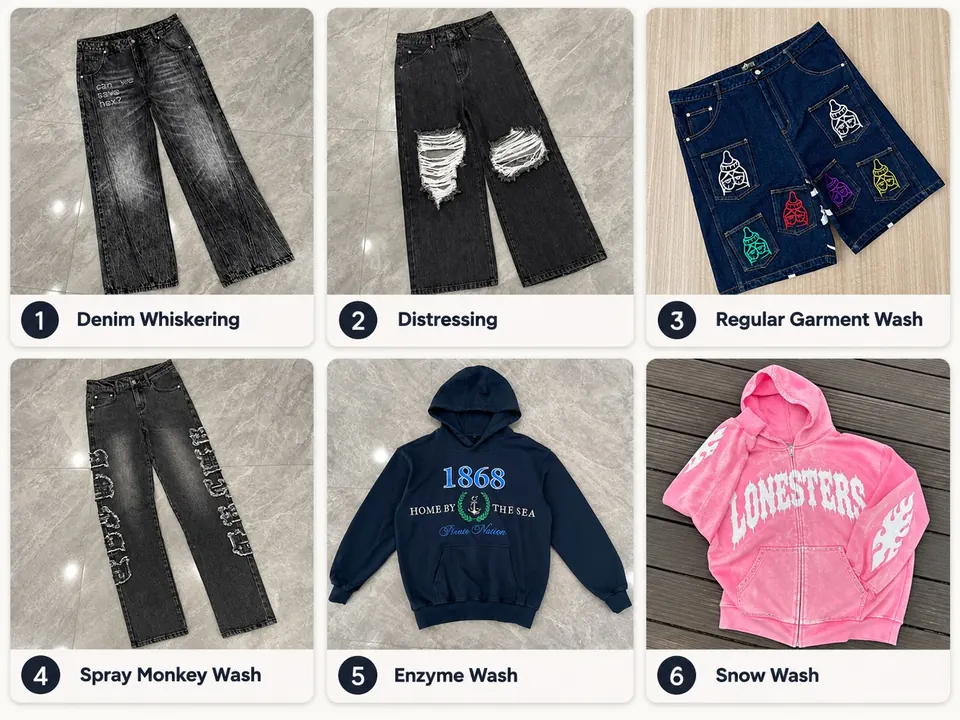
Washing & Distressing

Wash and distressing effects are especially relevant to denim and selected cotton outerwear. We confirm target shade, abrasion location and overall appearance through development samples before specifying bulk processing.

  • Faded Wash
  • Vintage Effect
  • Distressing
Washing & Distressing

Material × Technique Guide

Not every decoration method suits every material. Thin shells can pucker under dense embroidery, heavy patches may change drape, and some coated fabrics need special testing before heat-based application. We recommend testing the chosen combination on a sample panel.

  • Test Panel
  • Placement Review
  • Appearance Approval
  • Recommended
  • Conditional
  • Not Typical
MaterialEmbroideryPrintingPatchesWashingDistressingChenilleHardware
NylonConditionalRecommendedRecommendedNot TypicalNot TypicalConditionalRecommended
PolyesterRecommendedRecommendedRecommendedNot TypicalNot TypicalConditionalRecommended
Technical ShellConditionalConditionalConditionalNot TypicalNot TypicalNot TypicalRecommended
DenimRecommendedConditionalRecommendedRecommendedRecommendedConditionalRecommended
WoolRecommendedNot TypicalRecommendedNot TypicalNot TypicalRecommendedRecommended
Leather / PUConditionalConditionalConditionalNot TypicalConditionalConditionalRecommended
FleeceRecommendedConditionalRecommendedNot TypicalNot TypicalConditionalRecommended
Cotton TwillRecommendedRecommendedRecommendedRecommendedConditionalConditionalRecommended

Recommended = common and reliable · Conditional = possible with limits (backing, placement, heat, membrane) · Not Typical = usually avoided.

Development Combinations

How a jacket look is built from material + technique + trims.

Varsity

Varsity

Base fabric
Wool / wool blend body
Secondary material
PU leather sleeves, quilted satin lining
Main technique
Chenille + embroidered patches
Trims
Striped rib, snap buttons
Visual effect
Classic contrast varsity with raised lettering
Racing

Racing

Base fabric
Polyester twill
Secondary material
Contrast panels, mesh or taffeta lining
Main technique
Embroidery + sponsor-style patches
Trims
Metal zipper, logo puller, snap collar
Visual effect
Color-blocked motorsport graphics
Denim

Denim

Base fabric
Cotton denim
Secondary material
Corduroy collar or sherpa lining
Main technique
Vintage wash + distressing
Trims
Shank buttons, rivets
Visual effect
Worn-in heritage jacket
Bomber

Bomber

Base fabric
Nylon shell
Secondary material
Satin or mesh lining
Main technique
Embroidery or reflective print
Trims
Rib collar / cuffs / hem, metal zipper, custom puller
Visual effect
Clean flight-jacket look