Jacket Manufacturing Insights 5 min read
How to Find a Reliable Custom Jacket Manufacturer for Your Brand
Learn how to evaluate a custom jacket manufacturer for fit development, fabrics, sampling, quality control, MOQ and bulk production before placing an order.
Introduction
Choosing a custom jacket manufacturer is not simply a matter of finding a factory that can sew a jacket. For a clothing brand, the important question is whether the supplier can translate a design direction into a repeatable product—with the intended silhouette, practical construction, suitable materials, and a clear approval standard before bulk production begins.
A polished website may show attractive jackets, but sourcing decisions need more specific evidence. The following checklist helps brands compare manufacturing partners without relying only on price, photos, or broad promises about quality.
1. Start with the exact jacket category and intended customer
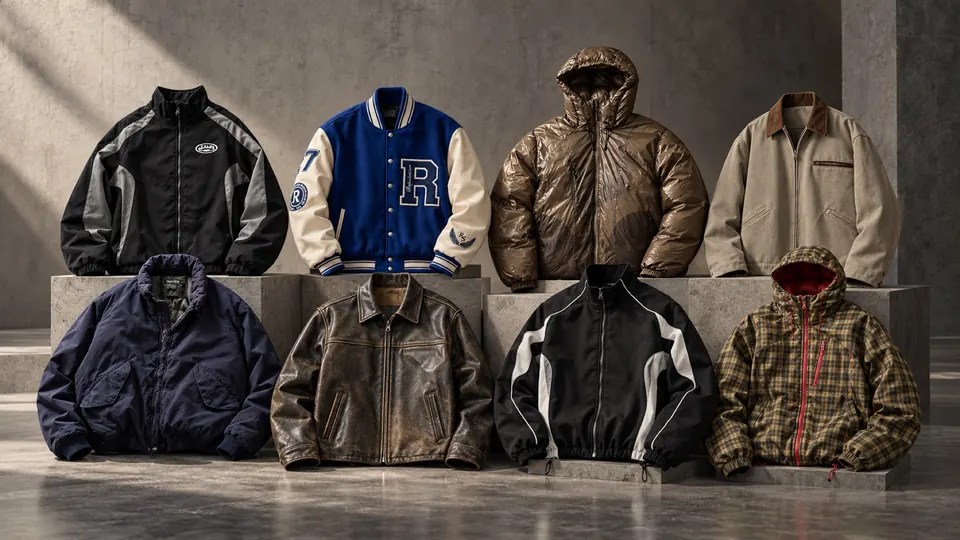
A varsity jacket and a technical shell may both be called jackets, but they are not interchangeable production briefs. A varsity style may involve wool-look body fabrics, contrasting sleeves, rib structures and appliqué placement. A shell jacket instead raises questions about hood shaping, layered fabrics, pocket access and protection in the intended conditions. Denim, leather-look, fleece and bomber designs bring their own construction decisions.
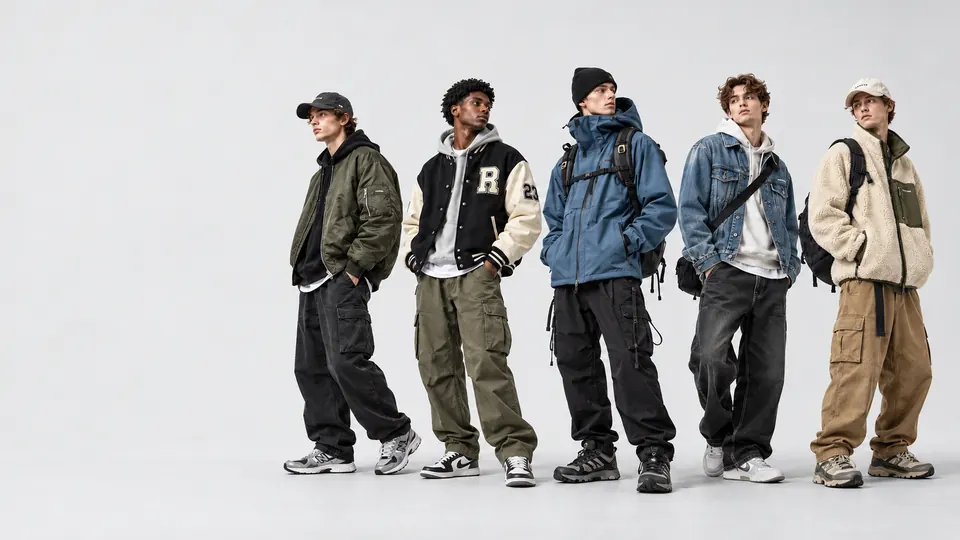
Before contacting suppliers, define the intended wearer, target fit, weight and use case. Include whether the garment is fashion-led outerwear, team apparel, streetwear or an outdoor-oriented piece. This allows a factory to evaluate the design instead of quoting a vague category.
2. Separate full customization from adding a logo
A brand that wants to change body length, shoulder shape, sleeve volume, pocket layout, fabric and lining needs product development—not only a standard jacket with its logo printed on top. Ask the supplier to explain which parts of the garment can be developed from a tech pack, reference piece, sketch or clear photographs.
A useful conversation will cover patterns, size grading, material sourcing, trims, artwork placement, labels and packaging. For a complex design, also clarify which decisions must be locked before a meaningful sample can be produced.
3. Evaluate sampling as a decision process, not just a service
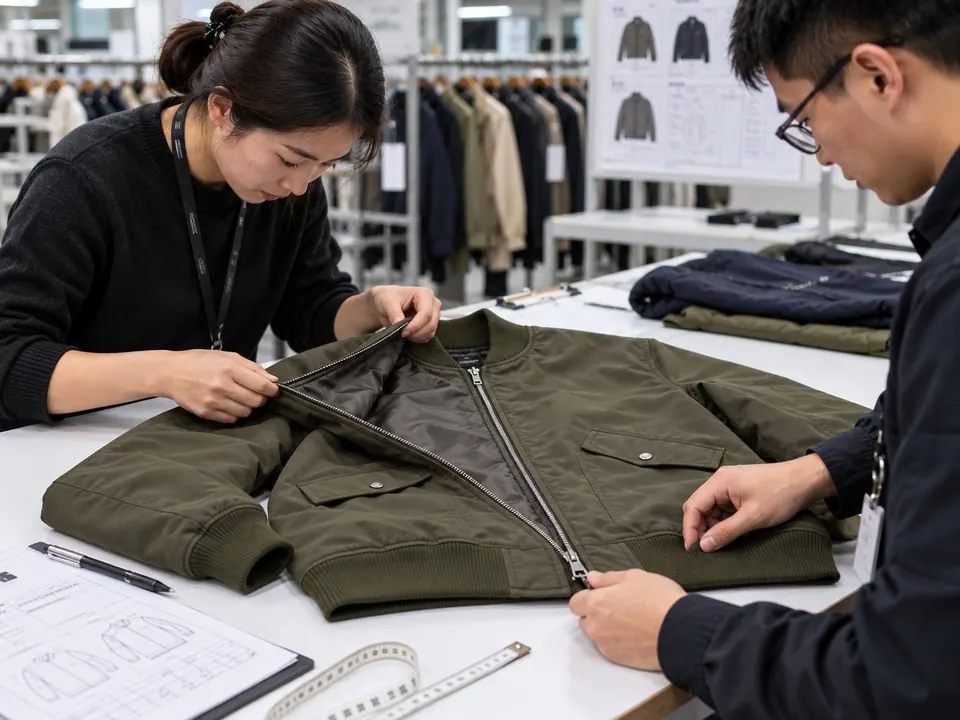
Sampling should answer questions. Does the shape match the target silhouette? Are the front closure, pockets and lining practical? Are embroidery and patches placed correctly when the garment is worn? Do the measurements align with the approved specification?
Ask how measurements, photos and change requests are recorded, whether revisions are needed, and how the final approved sample will be identified. A realistic development process may involve more than one review; a promise of instant sample approval is not a substitute for clear standards.
4. Discuss fabric and trims together
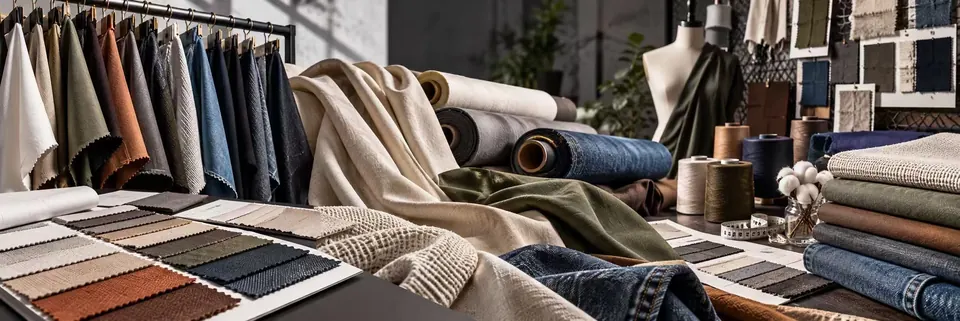
Jacket fabric decisions affect more than appearance. Fabric weight, drape, surface texture and stability influence panel shape, seam construction and the feel of the finished garment. A lightweight woven shell responds differently from denim, coated materials or high-pile fleece.
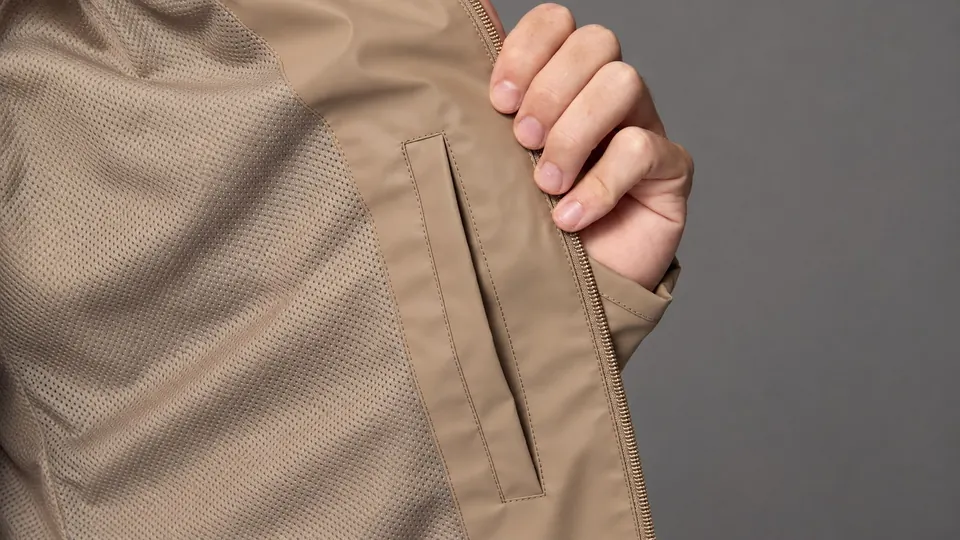
Closures deserve equal attention. For example, a jacket front usually needs a separating zipper, while pocket applications often use closed-end constructions. Slider type, teeth style, tape color and puller size should suit the garment and its intended use. Ask to see relevant swatches, trim references or sample details before making final selections.
5. Clarify MOQ, pricing and development assumptions
A quotation cannot be compared fairly unless the assumptions are similar. Ask whether the minimum order quantity is calculated by style, color, material or another grouping; whether sizes can be mixed; and whether special fabrics or accessories impose separate minimums.
Also clarify what is included in sample charges, pattern development, branding components, packaging, freight and any requested testing. An indicative unit price for an unspecified jacket does not tell you the cost of a finished, approved design. Confirm the commercial terms in writing against the same specification.
6. Ask what happens between approved sample and bulk production
For made-to-order manufacturing, the approved sample and updated specification are practical reference points for bulk production. Ask how the supplier translates the confirmation into cutting instructions, trim placement, size checks, workmanship standards and final packing requirements.
Quality control should be more specific than ‘we check every piece.’ Useful discussion topics include measurement tolerances, seam appearance, closures, decoration placement, shade consistency, defects and the steps taken when an issue is found. The agreed inspection scope should match the complexity of the project.
7. Look for communication you can actually work with
Clear communication is a manufacturing capability. A good supplier should distinguish between confirmed details, options still under review and assumptions that require customer approval. It should also be possible to identify who receives the brief, who coordinates samples and who communicates changes.
Ask for a written summary after a substantive development discussion. When decisions about fit, artwork, color or trim are recorded, costly misunderstandings become easier to avoid.
A practical supplier comparison checklist
When shortlisting factories, compare the same questions: Does the supplier understand the intended jacket category? Can it discuss pattern and construction changes? Are fabric and trim options evaluated against use case? Is the sample approval method clear? Are MOQ and quotation assumptions transparent? Is there a workable approach to bulk quality checks? Can the team communicate changes consistently?
No single answer proves a supplier is the right partner. The goal is to identify a process that fits your brand, budget, product complexity and purchase volume.
Conclusion
For a custom jacket project, the strongest supplier relationship begins with a well-defined brief and an honest development discussion. Instead of looking only for the lowest initial quote, look for evidence that the manufacturer can help you make and confirm the decisions that shape the finished garment.
Frequently asked questions
Do I need a complete tech pack before contacting a manufacturer?
Not necessarily. A clear sketch, reference images or an existing sample can be useful starting points. More complete measurements and construction details are typically needed before final sampling and production approval.
Does a lower MOQ automatically mean a better supplier?
No. MOQ is only one commercial consideration. Compare the fit of the supplier’s development process, material options, communication, cost assumptions and quality requirements.
What should I confirm before approving bulk production?
Confirm the approved sample, final measurements and tolerances, fabric and trims, artwork files and placements, size breakdown, labeling, packing and applicable inspection expectations.
Your next step
Planning a made-to-order jacket collection? Share your intended jacket category, quantity range, reference images or tech pack, target market and branding requirements through Start a Project. RUIXING can review the brief and discuss the appropriate development route; project terms and feasibility are confirmed individually.