Product Development

What is developed in your jacket — from the information you already have to a clear development specification.

01

Project Input

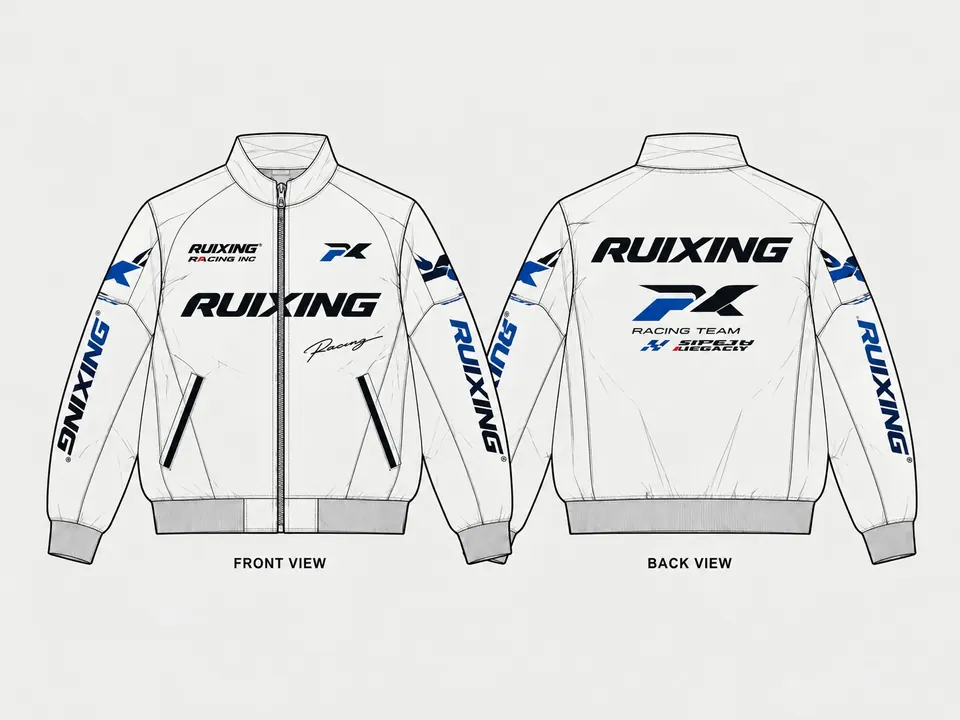
Start from the information already available: tech pack, sketch, reference images, physical sample, existing size specification, target quantity and target market.

Your information does not need to be complete — the purpose is to define what the product must achieve before technical development begins.

  • Tech pack
  • Sketch
  • Reference images
  • Physical sample
  • Size specification
  • Target quantity
  • Target market
Project Input
02

Fit & Size Development

We translate the target look into measurable proportions, including shoulder width, chest ease, body length, sleeve shape and hem opening. Size grading is reviewed after the base fit is confirmed, so the design intention remains consistent across the size range.

  • Base Fit
  • Measurement Points
  • Size Grading
Fit & Size Development
03

Fabric Direction

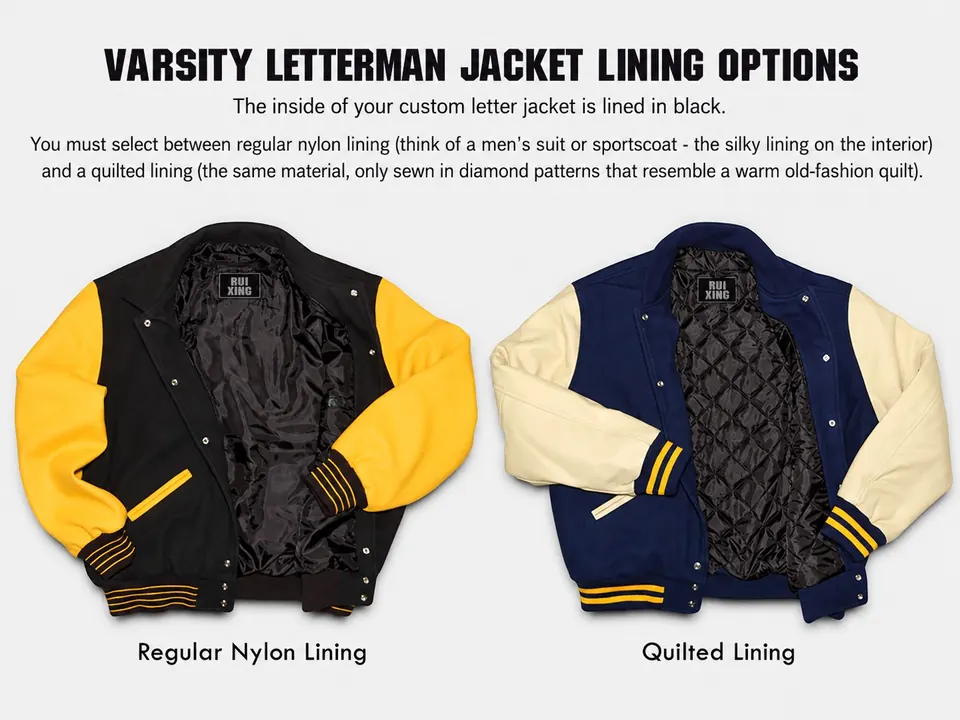
Select materials around the target look, hand feel, season, structure, performance and cost level. For jackets, the shell fabric is considered together with lining, rib / interlining and decoration compatibility.

  • Look
  • Hand feel
  • Season
  • Structure
  • Performance
  • Cost level
Fabric Direction
04

Color Development

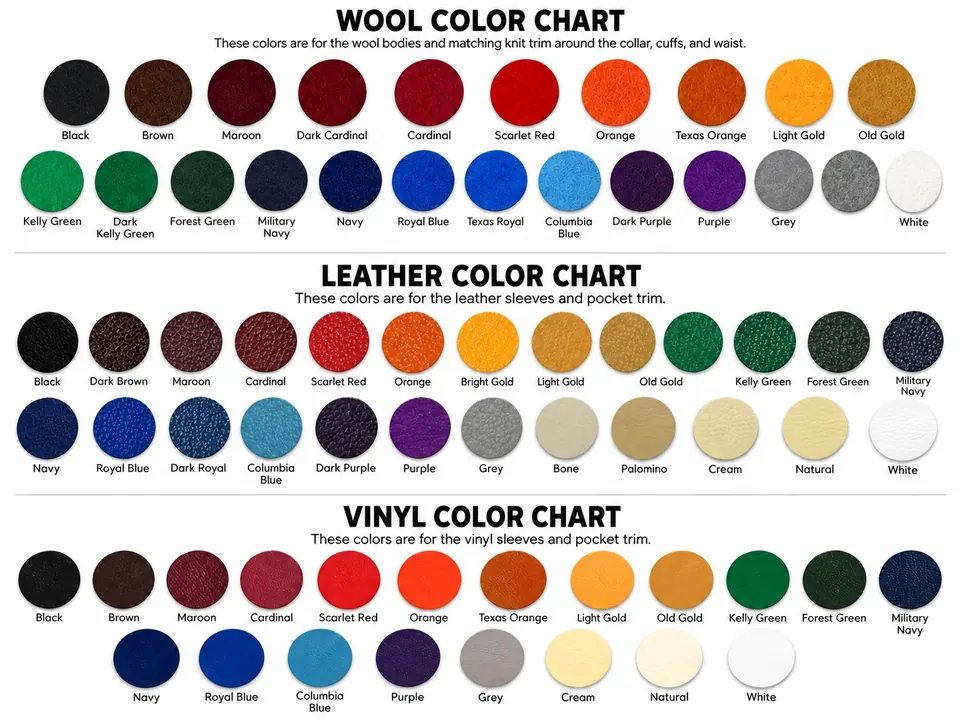
Confirm supplier-available colors, Pantone matching or custom-dye feasibility where applicable. For color-blocked jackets, body, sleeve, rib, lining, thread and hardware colors are planned as one system.

  • Supplier-available colors
  • Pantone matching
  • Custom dye
  • Color blocking
Color Development
05

Construction Development

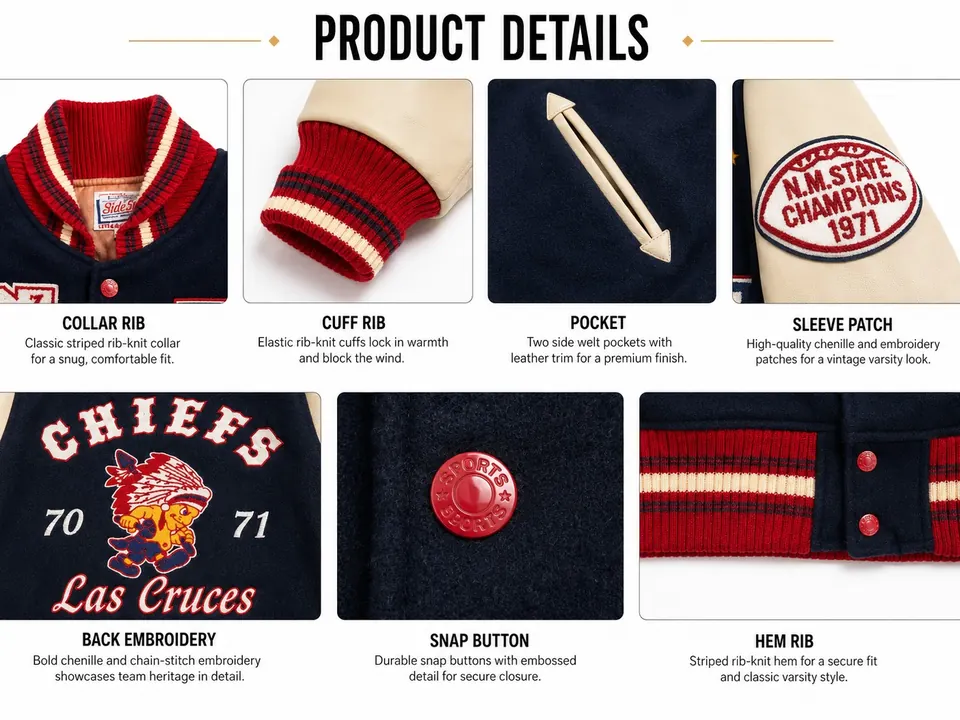
A jacket's character often comes from its construction. We define collar or hood shape, pocket entry, panel seams, lining attachment and closure method as connected decisions, not isolated decorations.

  • Collar / Hood
  • Pockets
  • Lining
  • Closure
Construction Development
06

Function & Wearing Experience

Review practical wearing needs such as layering room, pocket access, zipper direction, hood coverage, cuff / hem adjustment, warmth or lightness, and ease of movement.

We only state performance claims that can be verified by the actual material and construction.

  • Layering room
  • Pocket access
  • Zipper direction
  • Hood coverage
  • Cuff / hem adjustment
  • Ease of movement
Function & Wearing Experience
07

Trims & Hardware Development

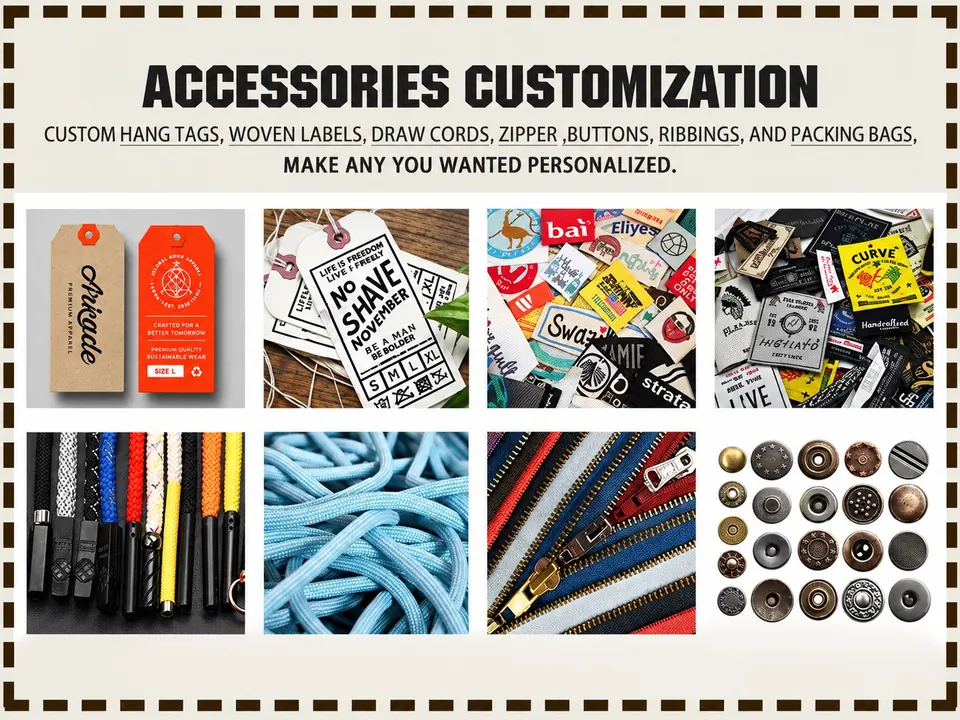
We select zippers, snaps, pullers, ribbing and labels according to garment weight, intended use and visual direction. Placement and dimensions are checked in sampling before final production files are released.

  • Zippers
  • Snaps
  • Pullers
  • Ribbing
Trims & Hardware Development
08

Artwork Integration

Artwork is planned with the garment pattern. We consider embroidery density, patch thickness, print coverage and the distance from seams or pockets so the result remains balanced after assembly.

  • Embroidery
  • Appliqué
  • Print Placement
Artwork Integration
09

Development Specification

Before approval, decisions are consolidated into a working specification: key measurements, material references, construction notes, artwork positions, trims and packaging details. This reduces ambiguity when the project moves to production.

  • Measurement Sheet
  • Material References
  • Construction Notes
Development Specification
10

Development Handoff

Once the development direction is clear, the project moves to sample development, sample review and approval in How It Works. This page explains what is developed; How It Works explains how the project moves forward.

Build Your Jacket

Send your tech pack, sketch, reference or sample — we start from what you have.